
Sense of Presence
Exploring Presence in Virtual Environments with the Rasch Model
Researcher
March 2022
1. Introduction: Understanding Presence
What is Presence?
Virtual environments (VEs) are transforming how we learn, train, and engage with digital content. But what makes these experiences truly immersive? The key is presence—the psychological state where users feel like they are actually “there” inside the virtual world, rather than just observing it through a screen.
Why Does Presence Matter?
Defined as the "illusion of non-mediation," presence occurs when users become unaware of the VR interface itself, feeling as though they’ve stepped into another reality. This is essential in VR applications, particularly in education and simulation, where a stronger sense of presence leads to more effective learning and higher engagement.
How is Presence Measured Traditionally?
Traditionally, presence is measured through:
- Self-reports: Questionnaires or interviews that capture users' subjective impressions.
- Behavioral observations: Monitoring users' reactions and actions to infer immersion.
- Physiological data: Objective signals like EEG and heart rate to assess emotional or cognitive engagement.
Challenges with Traditional Measurement
While each method offers insights, they often produce conflicting results. There's also no widely accepted standard across studies, making comparisons difficult. This inconsistency led us to seek a better, more unified approach.
2. The Rasch Model: A Better Way
The Rasch Model is a statistical method in psychometrics that measures hidden traits—like ability or attitude—by analyzing how likely a person is to answer questions correctly based on both the person's ability and the question's difficulty.
For example, if a student answers a very hard math problem correctly, the model concludes that the student has a higher math skill level than someone who only answers easy problems correctly. This means that even if students are asked different sets of questions, their abilities can still be compared fairly.
By applying this to VR, we can:
- Incorporate multiple data types (Self-reports, physiology, behavior).
- Separate "Person Ability" from "Item Difficulty."
- Enable fair comparisons across different VR tests.
3. The Study: Methodology
We compared two distinct VR environments to test the validity of the Rasch Model:
- The Pit VE: A high-altitude plank walk scenario.
- The Street VE: A nighttime urban environment.
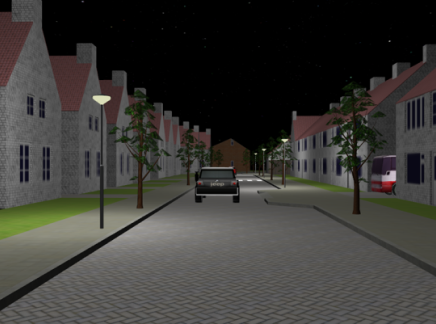
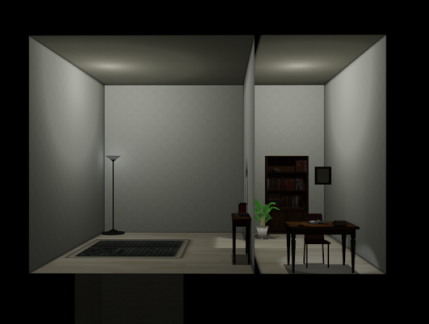
Data Collection
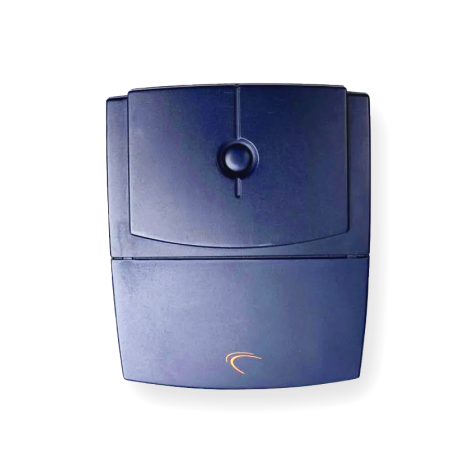
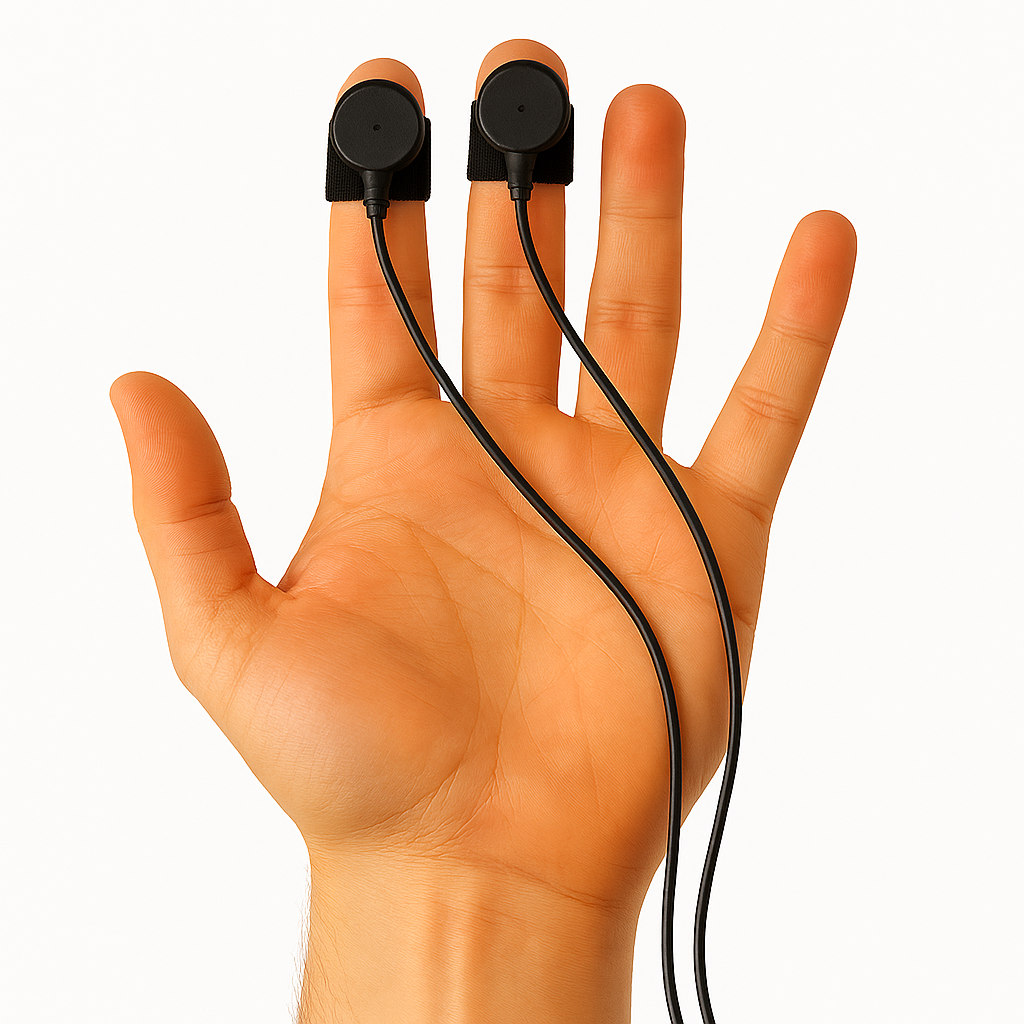
- EDA Monitoring: Measuring sweat gland activity via electrodes on fingers.
- Behavioral Observations: Tracking head movements and zebra-crossing behavior.
- Questionnaires: Subjective post-experience spatial presence ratings.
4. Key Findings
- High reliability in both environments (0.90 & 0.89)
- Several poorly fitting items (like Item 6) were removed
- Successful scale equating (systematically combined & compared the two VEs results) using shared anchor items
- No significant difference in presence between the two environments
- Moderate correlation with existing IPQ presence instrument This work shows that the Rasch Model can be used to standardize presence measurement across VR studies. It helps developers and researchers better understand what makes an experience immersive—and how to make it even more so.
5. Conclusion
By combining psychometric modeling (the Rasch Model) with immersive tech, this research paves the way for more consistent, meaningful measurement of presence in VR. It's a step toward making virtual environments more powerful, engaging, and useful across domains.